
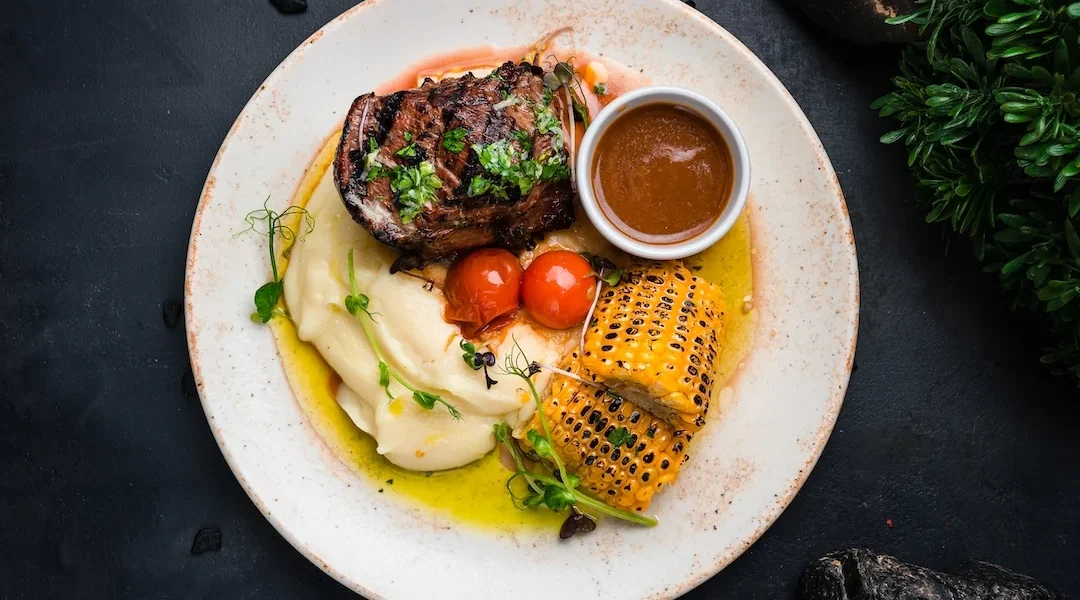

A memorable steak dinner starts well before the first bite. Diners compare menus, read recent reviews and consider whether a restaurant suits the occasion. Some want a deeply flavoured cut, while others care most about a comfortable setting or a meal that fits their budget. A useful search weighs those preferences against the details a restaurant provides. The first decision is usually the cut itself, because its texture and flavour shape the meal.
Cuts and Their Differences
A menu that names each cut gives diners a starting point for comparison. A scotch fillet has marbling throughout the meat, while a porterhouse generally has a firmer texture and a strip of fat along one edge.
When searching for the best steak in Geelong, diners benefit from comparing cuts before choosing a restaurant. A familiar cut gives them a useful reference point, while an unfamiliar one is worth asking about. Staff should be able to explain its texture and fat content, as well as how the kitchen recommends cooking it.
A leaner cut suits someone who prefers less fat on the plate. Diners who enjoy a fuller flavour might prefer visible marbling, although personal taste remains the deciding factor.
Cooking and Doneness Choices
Doneness affects both the colour and texture of a steak. Rare meat has a red centre, while a well-done steak is cooked through. Medium sits between those preferences, with a pink centre.
A diner who is unsure can describe the result they want rather than relying on a label alone. Asking for a warm pink centre or less visible red gives staff a clearer request.
Thickness also matters. A thicker cut behaves differently on the grill from a thinner one, so diners should ask for a recommendation if the menu includes several options. A restaurant’s willingness to discuss doneness is useful when a table has different preferences.
Beef Sourcing and Preparation
Some menus name the region where their beef comes from or explain how the meat has been aged. These details give diners a basis for asking about flavour, but a label alone does not guarantee a preferred result.
Ageing changes the character of beef, and different methods produce different results. Rather than treating the term as a quality shortcut, diners can ask staff to describe the flavour of an aged cut compared with another option.
Preparation deserves attention too. A simple seasoning lets the beef’s flavour stand out, while a sauce changes the balance of the dish. Diners who prefer a particular approach can check whether sauces come separately.
Reading Reviews With Care
Recent reviews can reveal patterns that a menu cannot. Diners should look for comments about whether steaks arrived as ordered and how staff responded when a meal needed attention.
A single complaint says little about a restaurant’s usual service. Repeated accounts of the same issue are more useful, especially when reviewers describe what happened rather than relying on a rating alone.
Photos give clues about presentation and portion size, but they are less reliable for judging tenderness or doneness. Lighting and camera angles affect appearance. Reviews also reflect individual tastes, so a diner’s own priorities should guide the comparison.
Service and Dining Setting
The right setting depends on the occasion. A quiet conversation calls for different conditions than a lively group dinner, and diners can check whether the dining room suits their plans before booking.
Service matters when guests need help choosing a cut or have dietary requirements. A useful conversation with staff covers ingredients, cooking preferences and whether requested changes are practical.
For allergies, diners should contact the restaurant before the visit and explain the allergy clearly. They can also ask how the kitchen handles shared equipment. Checking directly is more reliable than assuming a dish is suitable because its menu description looks simple.
Comparing the Complete Meal
The price of a steak does not always describe the full meal. Diners should check whether it includes a side dish or sauce, then compare the total with other menu choices.
Portion descriptions also deserve a closer look. A larger serving is not automatically better value for someone who prefers a smaller meal, and a favourite cut may matter more than size.
Booking conditions are worth checking for groups or special occasions. A diner who knows the expected cost and any booking requirements can choose a restaurant without surprises when the bill arrives.
Conclusion
A useful shortlist starts with a cut the diner enjoys and a clear idea of the desired doneness. Before booking, it pays to check what accompanies the steak and whether the setting suits the occasion. Recent reviews can add context, particularly when several guests describe the same service issue. For an unfamiliar cut, a quick question about flavour and texture gives the diner a better basis for ordering than a ranking or photograph alone.


