
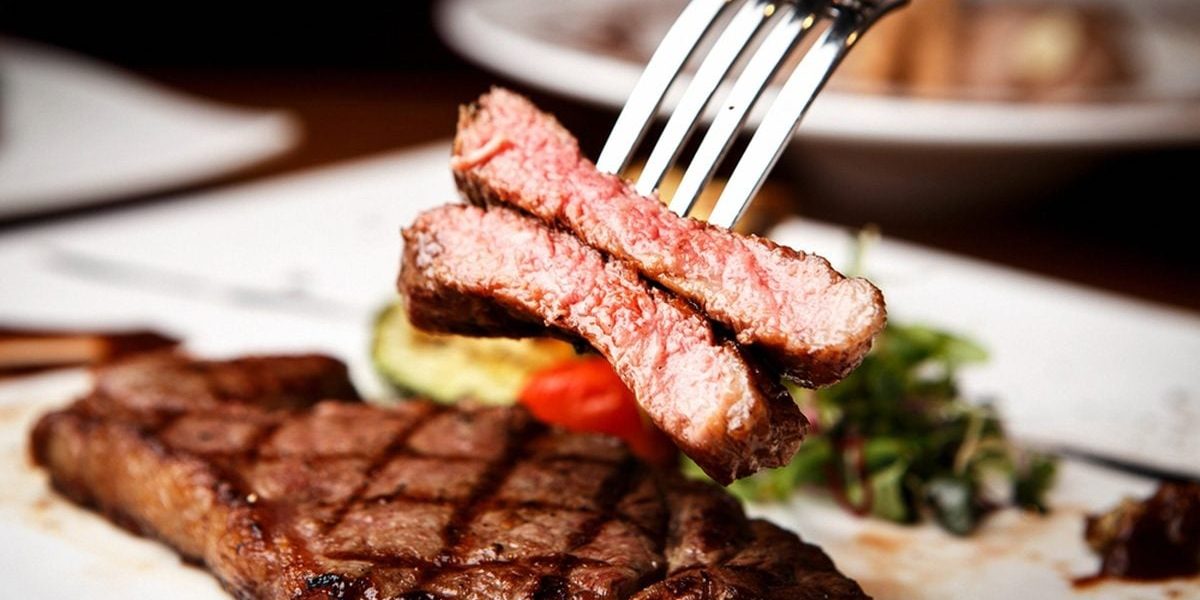

When you go to a restaurant and order a steak, it usually means you can expect an unforgettable experience. However, satisfaction is contingent upon understanding nuances. What influences quality, taste, and experience can make a considerable difference.
Understanding Steak Cuts
Various steak cuts offer specific textures and flavours. There are multiple cuts of meat, such as ribeye, sirloin, fillet, and T-bone, each with unique characteristics. The answer is mostly a matter of preference. Some want a buttery, tender fillet; others want a steak packed with flavours, like ribeye. Therefore, try to understand the preferred cut of meat in this context.
Grading and Sourcing
Consider the quality grade, which includes factors like tenderness and marbling. You can expect more flavour and juiciness from the best steak in Melbourne, which is usually a higher grade. Many establishments will tell you where they get their beef. The origin of meat may highlight farming techniques and the animal feed used. This knowledge supports informed decisions.
Cooking Temperatures Matter
Cooking the perfect steak is all about targeted temperatures. Rare, medium-rare, medium, and well-done create different worlds. Prime cuts often experience less condensation and tend to retain flavour and tenderness at medium rare. Too little cooking makes it cold inside, and too much heat gives it toughness. Make sure to express your preferences when asking the kitchen how they prepare the steak.
The Importance of Resting
The resting process takes place after cooking the steak, with juices redistributing. This step is essential for maintaining meat’s flavour and tenderness. Taking the steak off the grill too early lets the juices run out, and it dries out. Reputable restaurants allow their steaks to rest for the optimal amount of time before serving.
Seasonings and Sauces
A steak already has an excellent flavour with minimal seasoning, like salt and pepper. Some restaurants offer even bolder flavours with extra herbs and spices. Established venues might serve the meat with different signature bastes like peppercorn or mushroom. It can also be useful to enquire if there are preferred options before you place an order.
Side Dishes Make a Difference
Steaks are usually accompanied by a choice of side dishes, such as potatoes, vegetables, and salads, which help balance their flavours. The right side dish can make it more compelling, enhancing the contrast and adding interest. One of the best ways to get the best side dish is to ask for recommendations.
Portion Size and Appetite
Steak sizes are hugely inconsistent across establishments. Some are generous with their cuts, but others prefer to stick to the smaller pieces. This consideration of appetite and hunger levels prevents wastefulness or letdown. Some restaurants offer larger portions for sharing, ideal for a more modest meal.
Price Reflects Quality and Sourcing
Steak is a pricy menu item. The pricing often reflects the quality, sourcing, and preparation. Higher prices can be a sign of better meat, but asking questions reveals value. A well-cooked one, with excellent seasoning, can often command a higher price.
Cooking Preferences and Allergies
Make sure to specify your preferred cooking method for your steak to your server. If you have an allergy or dietary restriction, make sure to mention it: this is the best way of avoiding issues. They often make exemptions for gluten- and dairy-free requests. Sharing your preferences ahead of time will make the experience better for both parties.
Atmosphere Enhances Enjoyment
In the dining scene, atmosphere often contributes considerably to the overall satisfaction of diners. Good ambience, bolstered by comfortable seating and attentive service, prepares the perfect setting for an enjoyable meal. Choosing your restaurant wisely is beneficial, as it allows you to fully enjoy the dining experience and enhance it further with superior service.
Chef Experience Matters
Experienced chefs understand steak preparation. When cooked and presented properly, the steak looks and tastes exquisite. The chef’s training and experience often determine the quality of the food you receive.
Wine Pairings and Beverages
Choosing a refreshing beverage can enhance the taste of steak. Red wine is usually a preferred choice, but so are craft sodas, even sparkling water. Requesting pairing options helps you piece together a whole meal.
Final Thoughts
Ordering steak in a reputable restaurant is more than just putting in a menu request. Various factors, like the cut, preparation, sides, and atmosphere, come together to give you the best experience, so take a moment to think about it. Mood improves with less guesswork when you ask questions and establish what you like. Every aspect, from sourcing to plating, comes together for a meal to remember.


