
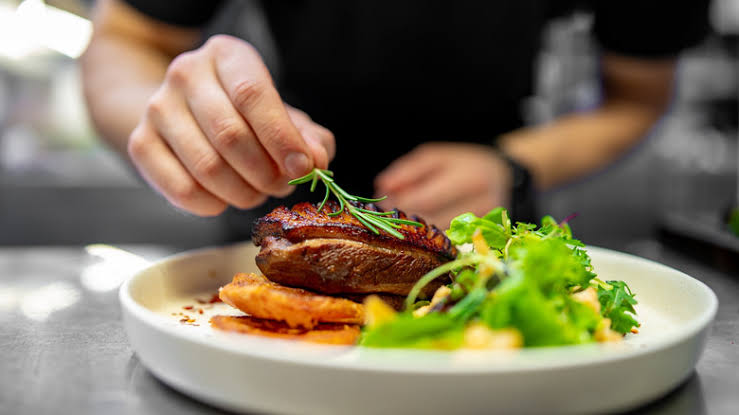

A memorable steak dinner depends on several details working together. Beef quality matters, yet cooking accuracy, seasoning, service, timing, surroundings, and portion balance also shape satisfaction. Each element affects flavour, texture, comfort, and perceived value. Experienced diners often notice these factors without naming them. A careful assessment helps guests choose suitable venues, ask useful questions, and recognise whether a kitchen delivers genuine skill rather than relying on presentation alone.
Begin With the Restaurant’s Reputation
Research can reveal beneficial details before you book your spot. Menus, customer feedback, dining photographs, location information, and reservation policies offer practical clues. Guests comparing a reputable steak restaurant in Mornington should examine cut selection, cooking standards, service consistency, pricing, and group suitability. Reviewing these points creates a sound basis for comparison, particularly before a celebration, business dinner, or family gathering.
Assess the Beef Selection
A serious steak menu should describe each cut with accuracy. Relevant details include breed, origin, ageing method, weight, thickness, and fat distribution. Scotch fillet usually offers marbling and tenderness, while eye fillet provides a leaner, softer bite. Sirloin, rump, and rib eye each carry distinct textures and flavour profiles. Clear explanations suggest that staff understand the produce they serve.
Look for Proper Ageing
Ageing changes both texture and flavour. Dry-aged beef develops concentrated savoury notes through controlled moisture loss. Wet-aged meat generally retains a cleaner, more direct beef character. Neither method guarantees an excellent result on its own. Temperature control, hygiene, ageing duration, trimming, and storage remain equally important. Reliable staff should explain these methods clearly, without making inflated promises about the final dish.
Check Cooking Precision
Cooking accuracy separates skilled preparation from guesswork. A rare steak should retain a cool, red centre, while medium-rare meat needs warm redness with gentle firmness. The exterior should brown evenly without a burnt crust. Proper resting allows internal juices to redistribute before slicing. A capable kitchen also manages timing carefully, preventing steaks from sitting under heat or cooling before service.
Notice Seasoning and Crust
Seasoning should sharpen beef flavour rather than conceal it. Salt affects moisture movement and surface browning, so its timing matters. Pepper, garlic, herbs, smoke, or butter can add depth when used with restraint. The crust should offer colour, aroma, and slight resistance beneath the teeth. Excessive salt, bitter charring, or heavy toppings may indicate poor control during preparation.
Examine Side Dishes
Side dishes reveal how thoughtfully a kitchen approaches the complete plate. Chips should have a crisp exterior with a soft centre. Vegetables need appropriate cooking, fresh colour, and enough seasoning to remain distinct. Salads should contain crisp leaves, balanced dressing, and ingredients with contrasting textures. Suitable portions support the steak without creating unnecessary waste or leaving the meal feeling unbalanced.
Consider Sauce Choices
Sauces should complement the meat’s character. Peppercorn, mushroom, red wine, and herb butter options each provide different levels of richness, acidity, and spice. Consistency matters, since a watery mixture can taste weak while a dense preparation may dominate the beef. Serving sauce separately gives diners control. A well-made steak should remain enjoyable without relying on a coating for flavour.
Evaluate Service Standards
Memorable service starts with an informed welcome. Staff should explain steak cut differences, cooking levels, portion sizes, side options, and suitable pairings without pressure. Accurate order-taking prevents avoidable errors, while coordinated delivery keeps a group’s meals together. Attentive employees notice missing utensils, empty glasses, or delayed dishes. Their conduct should feel present and considerate, never intrusive or rehearsed.
Observe the Dining Setting
The dining room influences how comfortably guests enjoy their meal. Supportive seating, clean tables, suitable lighting, and controlled noise encourage relaxed conversation. Music should remain in the background rather than competing with spoken words. Table spacing also matters, especially for families, older diners, or guests using mobility aids. Clean glassware and organised surroundings often reflect disciplined operational standards.
Measure Value and Portion Balance
Judge value against the complete offer, not the menu price alone. Guests can compare steak weight, beef grade, included sides, sauce costs, cooking skill, service quality, and overall satisfaction. A large serving offers little benefit if texture or flavour disappoints. Smaller portions may provide stronger value when chefs carefully select and accurately prepare the produce.
Conclusion
A worthwhile steak dinner brings together sound sourcing, controlled cooking, balanced seasoning, suitable accompaniments, thoughtful service, and physical comfort. Diners can assess these features through menu research, practical questions, and close attention during the meal. Strong venues maintain reliable standards across every stage, from ordering to the final bite. That consistency gives guests confidence, supports fair value, and makes a return visit feel like a sensible choice.


